
Understanding MRKH Syndrome

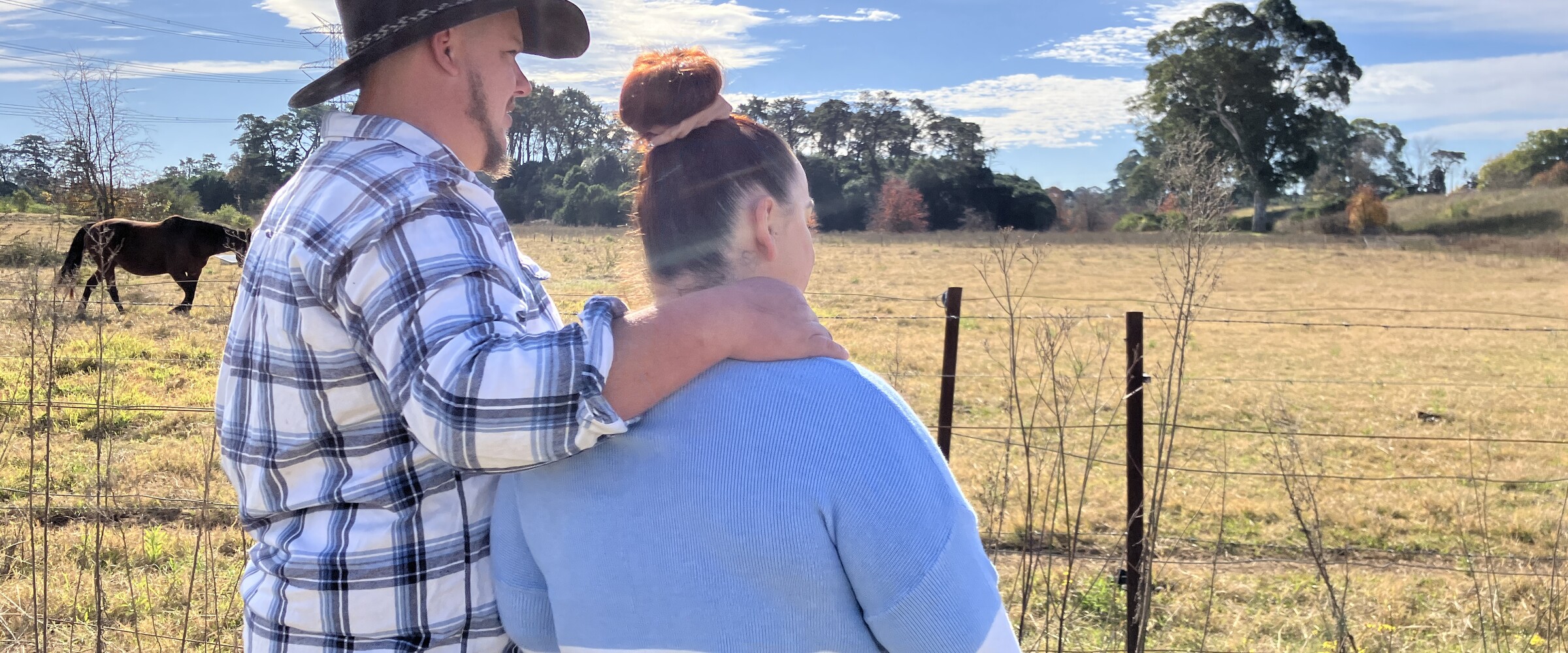
In the latest episode of Channel 9’s Big Miracles, we were introduced to sisters Billie and Shannen. Billie, who has been diagnosed with MRKH Syndrome, is unable to carry a child, but her sister Shannen has stepped in selflessly as a surrogate to help Billie and her partner Rob start their family.
But what exactly is MRKH Syndrome, and how does it impact a woman’s fertility?
What is MRKH?
Mayer-Rokitansky-Küster-Hauser (MRKH) Syndrome is a rare congenital condition, meaning it’s present from birth. It affects about 1 in 5,000 females and is characterised by the underdevelopment or absence of the uterus, cervix, and the upper portion of the vagina.
If you or someone you know has MRKH, here’s what to know:
People with MRKH typically don’t experience menstrual periods (a condition called primary amenorrhea), which is often the first sign leading to a diagnosis.
- They have female chromosomes (46XX) and fully functioning ovaries, which produce hormones as expected.
- They develop typical external genitalia and breast development, thanks to the normal hormonal activity of the ovaries.
Although individuals with MRKH cannot carry a pregnancy due to the absence of a uterus, many have the option to have biological children through IVF (in vitro fertilisation) and gestational surrogacy – like the journey that Billie and her sister Shannen are undertaking.
What Causes MRKH?
The exact cause of MRKH remains a mystery. It occurs when the Müllerian ducts—structures that eventually form the uterus, fallopian tubes, and the upper part of the vagina—do not fully develop during the early stages of pregnancy (around 6–8 weeks of gestation).
While researchers have identified certain genetic changes in some people with MRKH, no clear environmental or hereditary factors have been consistently linked to the condition.
Symptoms and Associated Conditions
MRKH can look a little different for everyone. While the main characteristic is underdevelopment of the reproductive system, it may also involve other congenital differences, such as:
- Kidney issues: For example, one kidney may be absent or underdeveloped (renal agenesis).
- Skeletal differences: Issues with the spine or limbs.
- Heart conditions
- Hearing loss
Despite these challenges, people with MRKH can and do lead full, healthy lives. Their ovaries produce hormones normally, which supports external physical development and overall well-being.
MRKH Management
While there isn’t a “cure” for MRKH, there are many ways to manage its effects and live a fulfilling life:
- Surgical and non-surgical options can create a functional vaginal canal if desired.
- Fertility treatments like IVF and gestational surrogacy make having biological children possible.
- Emotional support through counselling can help navigate the emotional and psychological aspects of the condition. MRKH Australia is a not-for-profit organisation that can help people impacted by MRKH Syndrome.
Learning about MRKH can feel overwhelming, but it’s important to know you’re not alone. With advances in medicine and fertility support, there are many ways forward.
To seek expert guidance, or consider your options for building your family, you can contact us via the form below or speak to our friendly team on 1800 111 483.